
Anxiety is the body’s reaction to stress or danger. It is an automatic response that cannot be controlled by will and may feel very uncomfortable, but it is not dangerous. It helps us survive, but if it becomes too intense or lasts for a long time, it can have a significant impact on our lives.
Living with anxiety can feel like constantly carrying an invisible weight on your shoulders. For some, it is a vague worry that comes and goes, while for others, it can be an overwhelming feeling that affects every part of life.
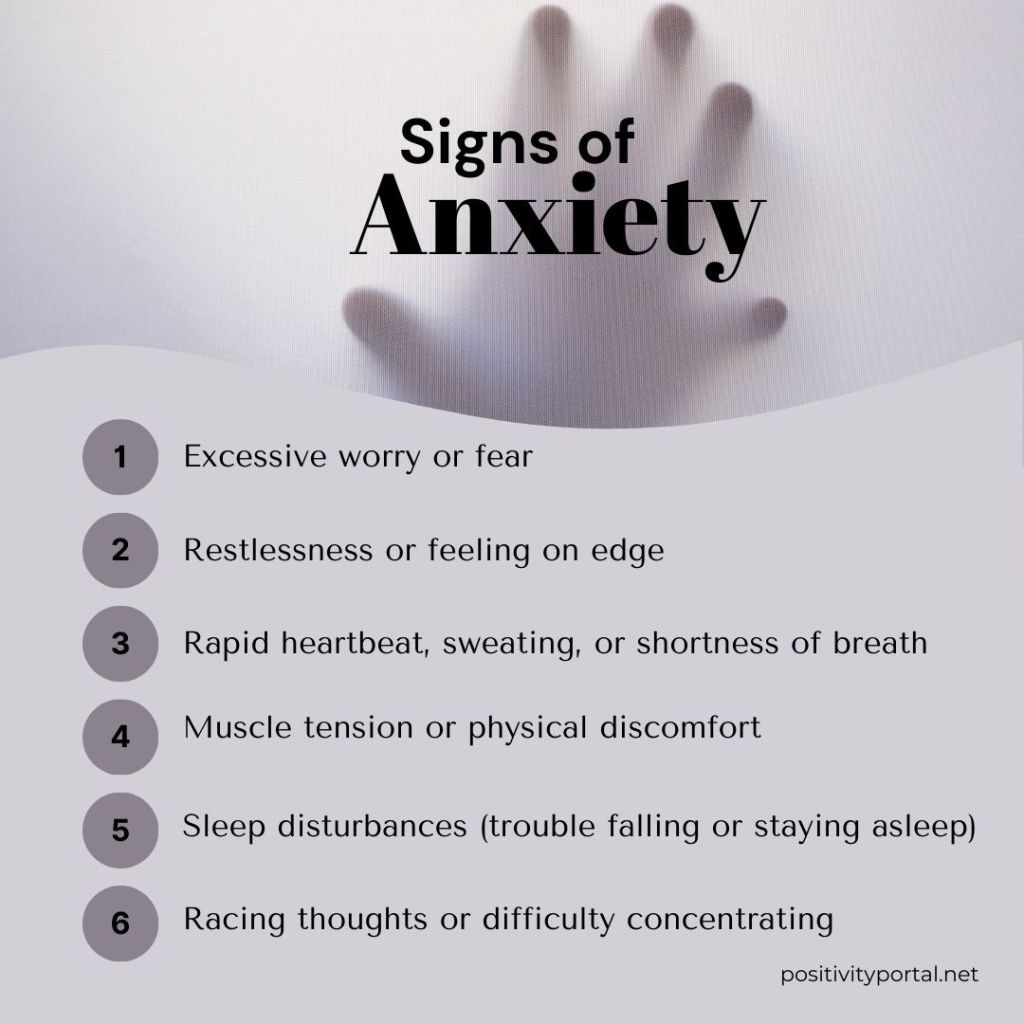
Anxiety can feel like always being on high alert, even when nothing dangerous is happening. It can mean a constant worry that never fades, as if the brain is always searching for something to be afraid of. Thoughts can become overanalyzed, filled with questions like “What if…?”, “What if I embarrass myself?” or “Why do I feel this way?”. This is often followed by a fear of the worst, where the mind automatically envisions the most negative and unlikely scenarios.
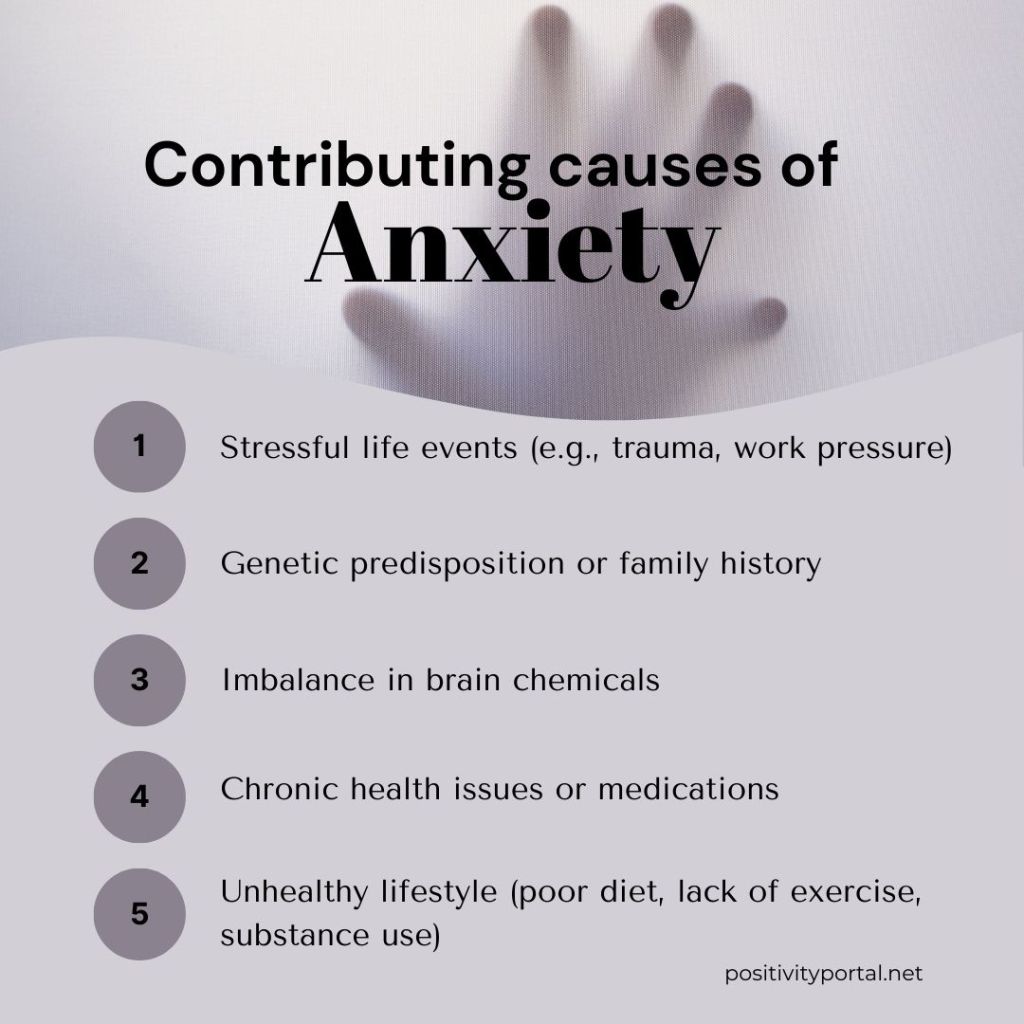
For many, anxiety affects relationships, work, and daily routines. It can lead to avoiding certain situations out of fear of experiencing anxiety, having difficulty being present and enjoying life, and feeling misunderstood since anxiety is not always visible on the outside.
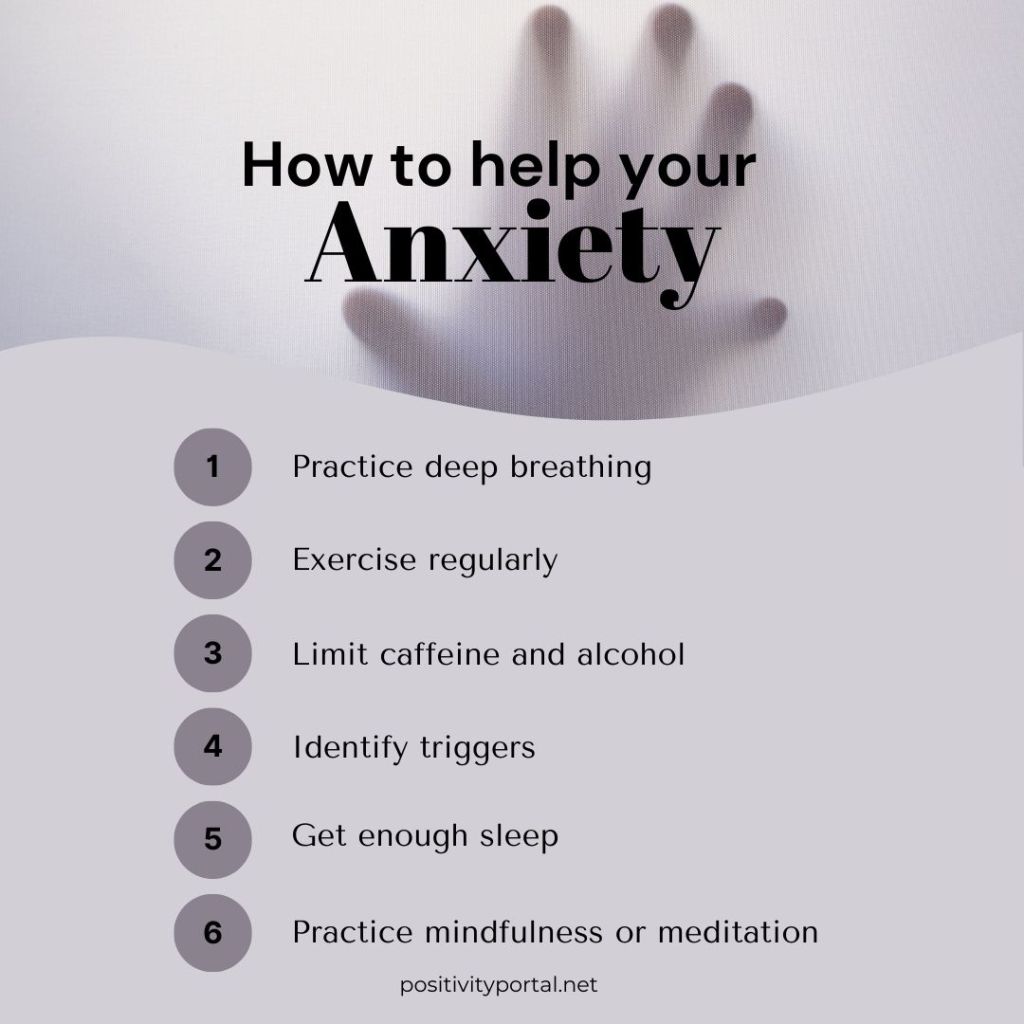
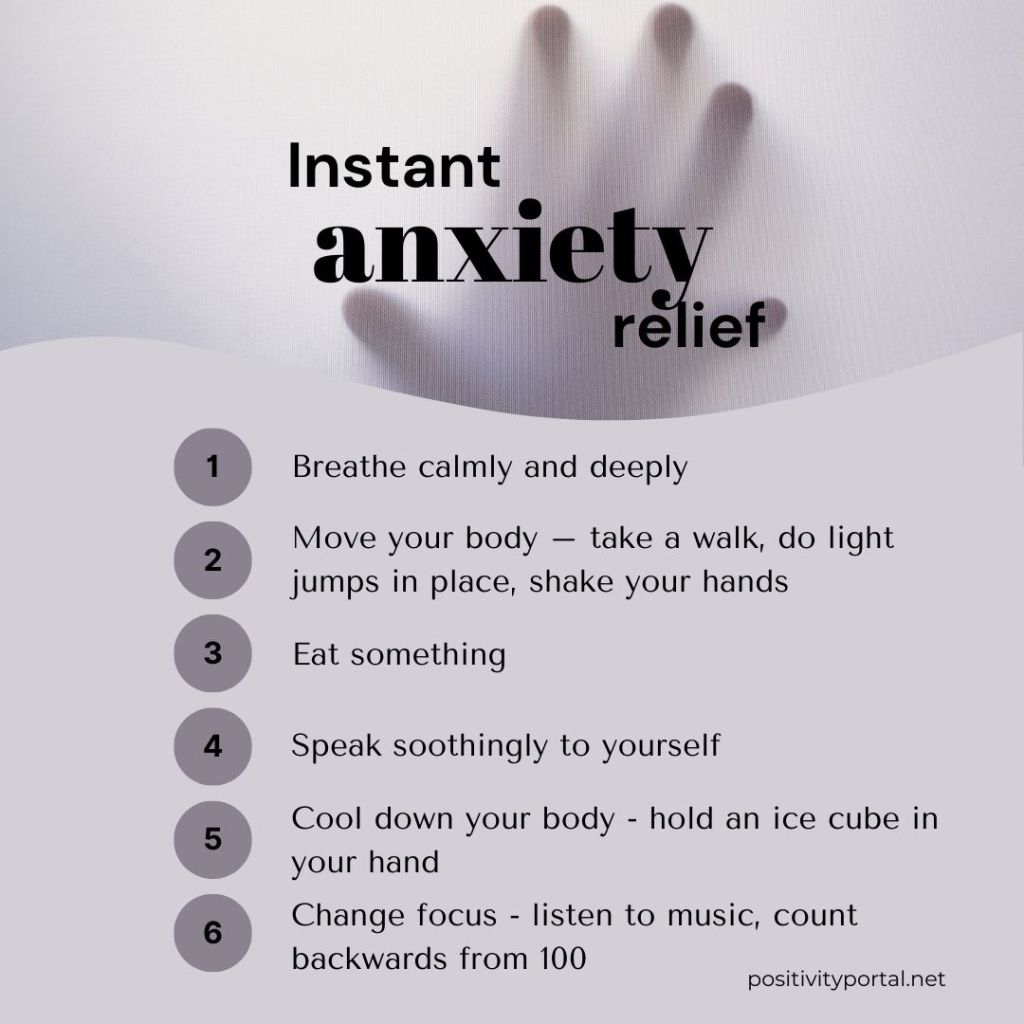
Even though living with anxiety can be tough, there are ways to manage and reduce it. With the right support, strategies, and patience, you can learn to regain control over your life. It’s important to remember that you don’t have to struggle alone—don’t hesitate to seek help from a friend, family member, or a professional if your anxiety feels overwhelming.
 Positivity Portal