
What is depression?
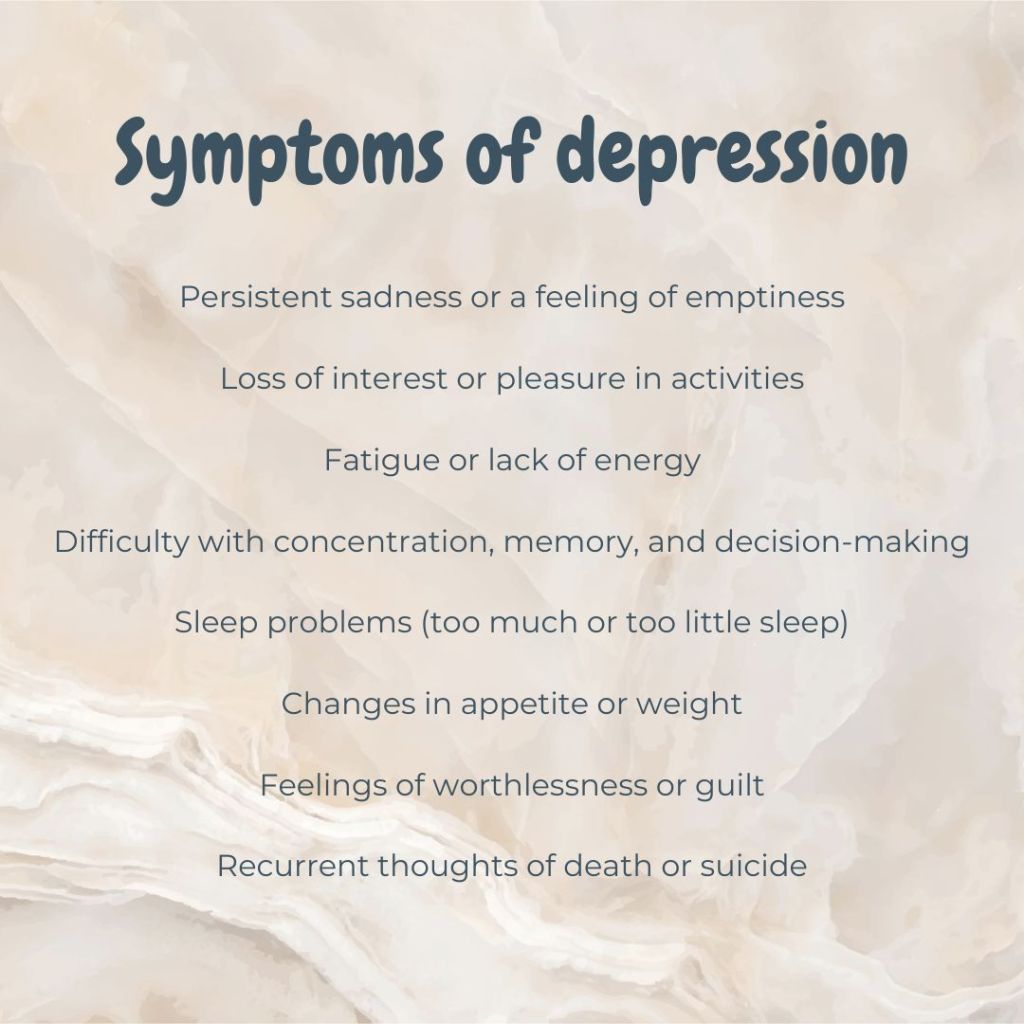
Depression is a mental illness characterized by a persistent feeling of sadness and a loss of interest in activities that were previously meaningful. It affects how a person thinks, feels, and functions in daily life. Depression can also impact the body’s physical health.
Who is affected?
Depression can affect individuals of all ages, genders, and backgrounds. It often occurs during adolescence and early adulthood, but children and older adults can also be affected. Factors such as life circumstances, genetic predisposition, and a history of mental illness can influence the risk of developing depression.
Self-care
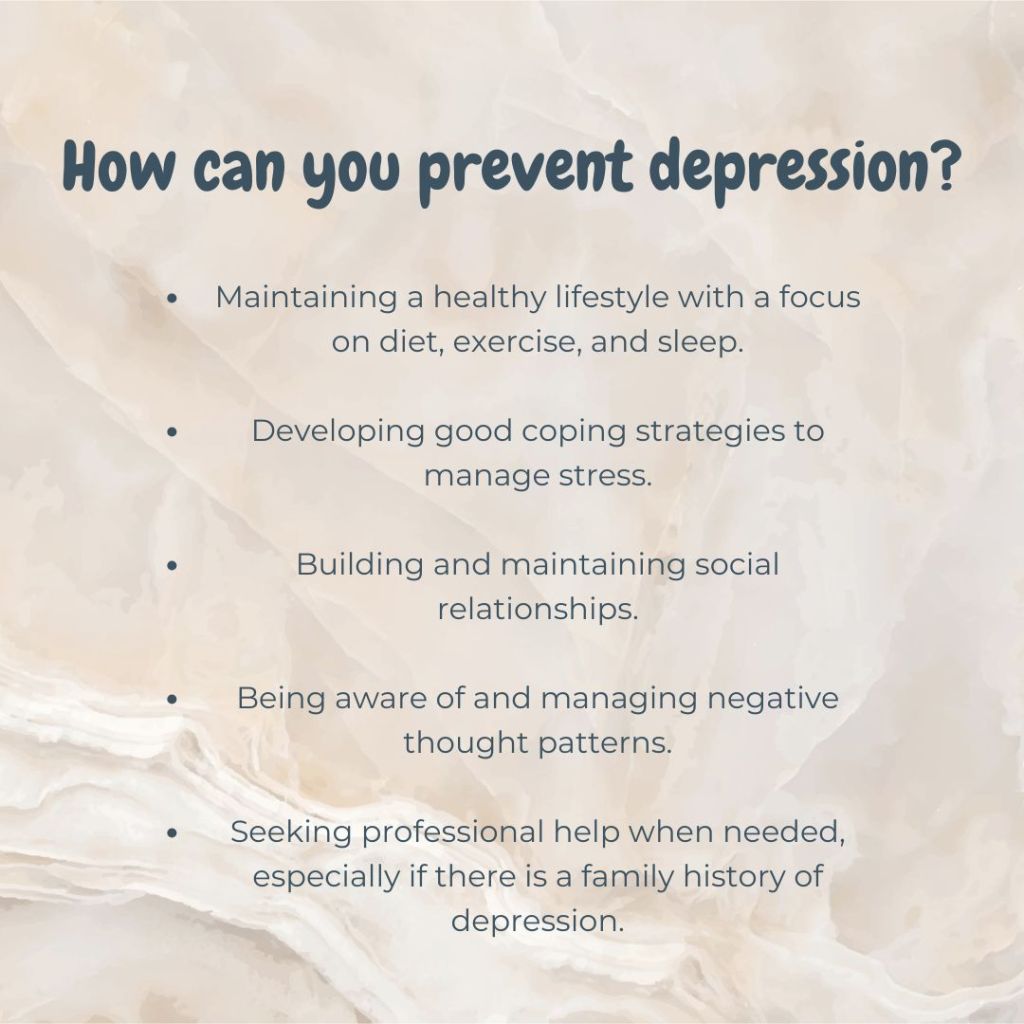
Self-care is important for managing mild to moderate depression.
- Physical activity: Exercise can improve mood and increase energy levels.
- Healthy eating habits: A balanced diet can positively affect your well-being.
- Sleep: Try to maintain a regular sleep cycle.
- Social support: Talking with friends and family can help reduce isolation.
- Mindfulness and relaxation: Techniques such as meditation and yoga can help reduce stress.
When does the likelihood of depression increase?
The likelihood of depression can increase in certain situations, such as:
- Major life changes (e.g., divorce, loss of a loved one)
- Chronic illness or physical disability
- Substance abuse (alcohol or drugs)
- Prolonged stress or trauma
- Family history of mental illness
What can contribute to depression?
Several factors can contribute to depression. Biological factors, such as genetic predispositions and imbalances in brain chemistry, play a role. Psychological factors, including personality, past trauma, and negative thought patterns, can also have an impact. Finally, environmental factors such as stressful life situations, social isolation, or lack of support can increase the risk of developing depression.
It is important to remember that depression is a treatable condition. If you or someone you know is suffering from depression, it is crucial to seek professional help.
 Positivity Portal